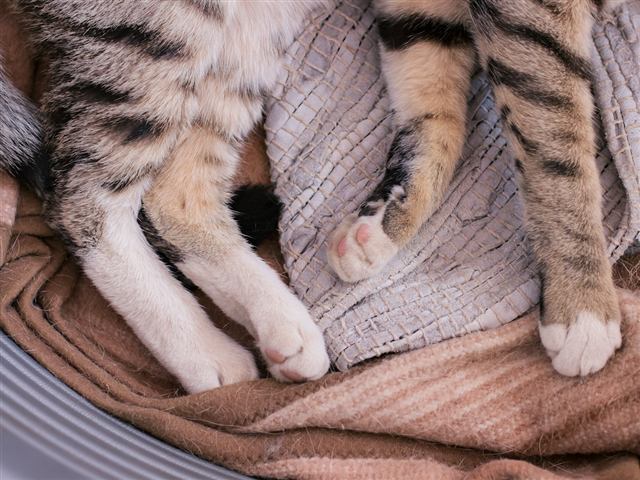
Map places the cat already chooses
Observe where the cat rests at several ordinary times of day. Note the view, sunlight, nearby people, noise, and access route. A window-facing spot and a quiet upper shelf may serve different purposes. Write down those differences before deciding one tall tree will meet every need.
Measure the intended area, including the distance from furniture and the space above a proposed perch. Check door swings and curtains. Avoid placing the route where the cat would have to cross a hot appliance, unstable object, or household storage that changes without warning.
Design the approach and departure
Look at how the cat would reach the first level and move between levels. Consider the individual's size, mobility, and confidence. Do not use a dramatic jump distance seen in a video as a design specification for your own cat.
Provide clear landing space and a practical way down. If other pets live in the home, consider whether a single narrow entrance could be blocked. Observe the route after installation rather than assuming that reaching the top once proves the full arrangement is comfortable for everyday use.
Sketch the route from the floor to the preferred resting point and back again. Include furniture that people may move for cleaning. A route that depends on a chair remaining in one exact position needs a more dependable access arrangement.
Match installation to the structure
Read load, assembly, and attachment instructions for the product. For wall-mounted shelves, identify the wall construction and appropriate fixing method. If that is outside your skills, ask a qualified installer. Adhesive appearance or an included screw bag does not establish suitability for your wall.
Check freestanding furniture for stability on the actual floor surface. Inspect every connection, and arrange cables or adjacent objects so they do not become part of the climbing route. Recheck after use. Keep the purchase information and parts list available for later replacement or adjustment.
Make rest comfortable and predictable
Choose surfaces that can be maintained according to their instructions and that give the cat enough space to settle. Keep a quiet retreat available as well as any busy window-viewing location. Different options let the cat choose between watching activity and getting away from it.
Watch changes in sun exposure and room temperature through the day. A pleasant morning window may be less comfortable later. Avoid using a perch arrangement that interferes with safe window operation or provides a path to an unsecured opening. Check screens and closures as part of household safety, not as climbing equipment.
Review access over the cat's lifetime
If the cat hesitates, stops using a familiar route, or changes how it moves, ask a veterinarian about possible discomfort. A furniture rearrangement can be helpful, but it should not replace assessment of a meaningful mobility change. Retain familiar accessible resting options while making improvements.
Review the installation whenever furniture moves or another pet joins the household. Inspect fabric, platforms, fasteners, and bases for wear. Keep the useful parts of the route and simplify awkward ones. The best arrangement supports daily choice and comfortable access rather than winning a height contest.
Keep it practical
Your checklist
- Observe preferred resting locations and what makes each useful.
- Measure approach, landing, overhead, and departure space.
- Plan access for this cat's current mobility.
- Use correct installation methods for the product and wall.
- Keep windows secure and inspect changing sunlight and room conditions.
- Recheck stability and discuss new mobility changes with a veterinarian.
Sources & further reading
- Ohio State Indoor Pet Initiative: Perches
- Ohio State Indoor Pet Initiative: Resting areas
- AAFP and ISFM: Feline environmental needs guidelines
Sources offer further context; a link is not an endorsement of this publication. This guide is general information and does not replace care from a veterinarian familiar with your animal.
See our editorial policy and commercial disclosure. Please tell us about an error.