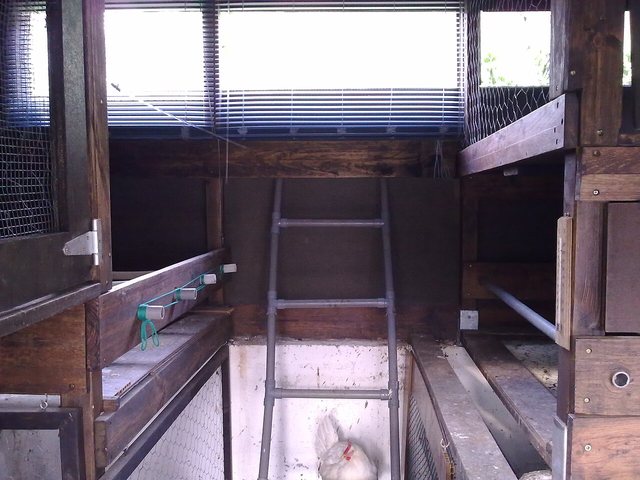
Check access first
Make sure nest entrances are unobstructed and every hen can reach a suitable box. Watch for queues or persistent guarding. Keep the approach separate from busy equipment where possible so a feeding bottleneck does not block nesting.
Inspect the bedding
Remove soiled or wet nesting material and replace it with suitable clean bedding. Find the source of repeated dampness, including roof leaks. Wear appropriate gloves for dirty tasks and wash hands afterwards.
Record what changes
Keep a simple dated note of damaged eggs, fouled nests and unusual occupancy. Do not infer a diagnosis from egg appearance alone. A bird sitting persistently, appearing unwell or changing behaviour needs individual attention.
Keep handling calm
Collect eggs and clean quietly without chasing hens out repeatedly. Ask a poultry vet about persistent broodiness, laying difficulties or illness. Nest design and routine are useful management tools, not a substitute for health assessment.
Keep it practical
Your checklist
- Keep entrances clear
- Replace damp bedding
- Record recurring problems
- Use calm handling
Sources & further reading
Sources offer further context; a link is not an endorsement of this publication. This guide is general information and does not replace care from a vet familiar with your animal.
See our editorial policy and commercial disclosure. Please tell us about an error.