Start with a species-specific brief
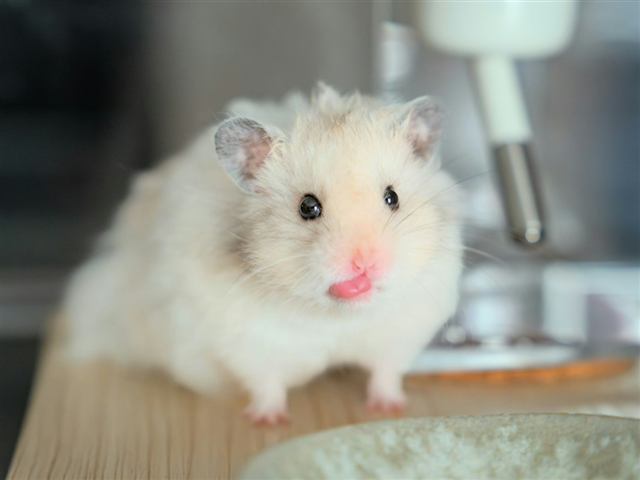
Write down which animals will use the enclosure, their size, and the activities it must support. Rabbits need a different arrangement from hamsters, and a structure marketed broadly for small pets may not meet either species' needs. Find current welfare guidance for the species and discuss individual mobility or medical needs with a suitable veterinarian.
List essential furnishings before shopping. Include hides, feeding and drinking areas, bedding depth, a litter area where appropriate, and any exercise equipment. If two animals share a suitable habitat, account for their access and retreat options. A marketing claim such as 'for two pets' does not replace checking dimensions and the planned layout.
Separate outside dimensions from usable floor
Ask the seller for internal dimensions of each connected area. Calculate a rectangular floor's area by multiplying its internal length by width, using the same units throughout. Sketch irregular areas rather than treating the longest measurements as a complete rectangle. Mark narrow passages and obstacles separately.
Count shelves, balconies, and tubes as distinct features rather than automatically adding them to continuous ground-level space. Consider whether the animal can use them comfortably and whether they create a fall or trapping risk. Check door thresholds and ramps against the individual pet's abilities. An area that exists on a diagram is not necessarily accessible in everyday use.
Draw the furnished layout at scale
Use graph paper or a simple drawing app. Add each major item at its actual footprint, including the space a door needs to open. Draw travel routes between resting, food, water, and activity areas. If the essentials only fit by blocking a doorway or squeezing every route, the enclosure is already too constrained for that plan.
Try a second layout before rejecting or accepting a model. This can reveal whether a removable divider helps or simply creates another bottleneck. For burrowing animals, draw the setup from the side as well, including bedding and stable supports. Compare the furnished layouts, not an empty premium model against a crowded inexpensive one.
Measure the human side of access
In the room, mark the outside footprint with removable tape. Add the space needed to open doors, remove trays, lift a lid, and carry waste away. Check whether you can reach the back without climbing or dragging the enclosure. Include its route through the home and the support requirements of any stand.
Think through a veterinary departure: can you calmly reach and transfer the animal, and where will the carrier sit? Think through cleaning: can a full tray be removed without tilting it over the floor? These questions turn vague convenience claims into observable requirements. Ask for a demonstration video when an essential mechanism is unclear.
Make uncertainty visible in the comparison
Create three columns for each model: confirmed dimensions, unanswered questions, and any modification needed. Price the necessary additions and check whether changes affect the manufacturer's intended use. Keep screenshots or written replies with the comparison. If a seller cannot establish a critical measurement, treat it as unknown rather than filling the gap with a favorable estimate. Order only when the furnished plan and daily care process both work.
Keep unanswered questions in a separate column rather than filling the gaps with assumptions. If a seller cannot confirm interior dimensions or access measurements, mark that limitation clearly. Save dated replies alongside the model number so a later product revision does not blur the comparison. The most attractive photograph should not receive an accidental advantage because its missing information went unnoticed.
Keep it practical
Your checklist
- Identify species, number of animals, and individual access needs.
- Get internal dimensions and separate continuous floor from upper features.
- Draw essential furnishings and routes to scale.
- Allow room for doors, trays, cleaning, and carrier transfers.
- Record unanswered questions before comparing total prices.
Sources & further reading
Sources offer further context; a link is not an endorsement of this publication. This guide is general information and does not replace care from a veterinarian familiar with your animal.
See our editorial policy and commercial disclosure. Please tell us about an error.