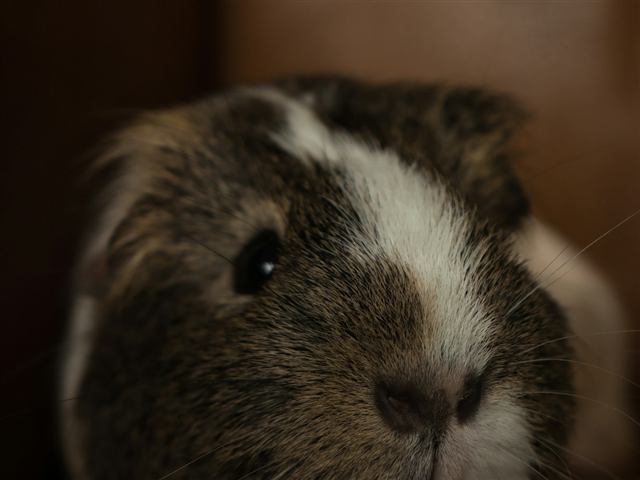
Create an individual page for each animal
Begin with the guinea pig's name, a recent photograph, identifying marks, and the history you actually know. Separate confirmed facts from estimates, such as an uncertain age supplied during rehoming. Include the veterinary clinic, relevant previous records, and current veterinarian-directed care. Keep the group arrangement clear so a caregiver knows which animals normally live together. An individual record matters because a shared food bowl or a photograph of the group can hide a change affecting only one guinea pig.
Describe the normal routine concretely
Write down feeding times, product names, measuring methods, water equipment, and the ordinary cleaning sequence. Note which shelters and resting places each animal tends to use. Avoid vague statements such as always happy; describe observable actions instead. If the veterinarian recommends regular weight monitoring, record the method, units, and schedule they advise. Use the same approach each time so comparisons are meaningful. A home record supports professional assessment but should not be used to diagnose a condition or change treatment independently.
Record changes with a clear timeline
When something differs, note when you first noticed it, what you saw, and whether it continued. Include changes in food, bedding, companions, room conditions, or household activity around the same time. The RSPCA advises prompt veterinary consultation for changes in eating, drinking, or toilet habits. Contact the clinic rather than waiting to collect several days of data. A short video or photograph may help explain an observation if the clinic requests it, but gathering media should never delay needed care.
Use a consistent entry format: date and time, animal, direct observation, and action taken. For example, record that a particular guinea pig remained in its shelter during a usual feeding check and that you called the clinic, rather than assigning a suspected diagnosis. If several caregivers contribute, add initials so a veterinarian can ask the observer for detail. Keep photos attached to the relevant entry when useful, and distinguish something you witnessed from a report passed on by someone else. Consistent wording and timing make a short record more useful than a long collection of unstructured messages.
Keep professional instructions separate and current
After an appointment, save the written plan and clarify any step you do not understand. Record the medicine name, prescribed directions, and review arrangements exactly as supplied; do not reconstruct them from memory later. Mark superseded instructions so a sitter cannot accidentally follow an old plan. If several people provide care, use a shared completion log to prevent a dose or feeding from being duplicated. Ask the clinic how to handle a missed dose or uncertainty rather than guessing.
Make the record easy to hand over
Keep a concise printed care sheet near the supplies and a fuller digital record where you can find it quickly. Include emergency contacts, transport arrangements, and permission details required by the clinic. Date every update and review the sheet before travel. Protect personal and payment information appropriately instead of leaving unnecessary details visible to visitors. The most useful record is one caregivers can read in a minute and act on, with deeper information available when a veterinarian needs the history.
Keep it practical
Your checklist
- Identify each guinea pig with a photo and confirmed history.
- Record product names, measures, and the normal routine.
- Date observations and describe actions rather than assumptions.
- Contact the clinic promptly about eating, drinking, or toilet changes.
- Keep current professional instructions separate from old versions.
- Provide a short printed handover and accessible emergency contacts.
Sources & further reading
Sources offer further context; a link is not an endorsement of this publication. This guide is general information and does not replace care from a veterinarian familiar with your animal.
See our editorial policy and commercial disclosure. Please tell us about an error.