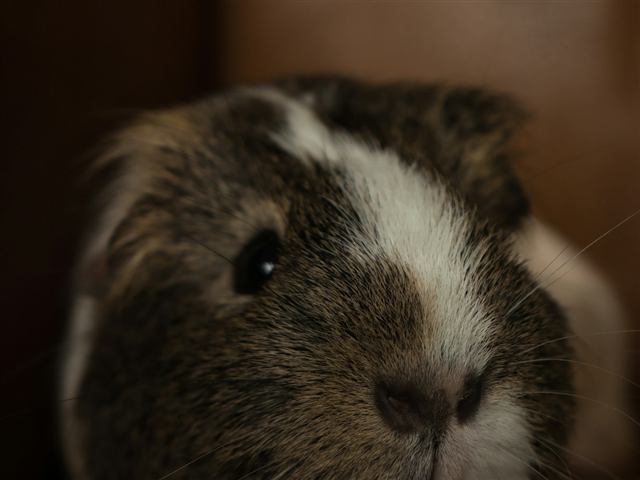
Let ordinary contact build familiarity
Spend time near the habitat without reaching for the animals every time. Speak quietly, move steadily, and allow a guinea pig to approach when it chooses. If food is part of the interaction, use an appropriate portion from the established feeding plan. Avoid chasing an animal around the enclosure to make it accept contact. The RSPCA notes that gentle, positive handling experience matters and that rough handling can make guinea pigs fearful. Progress is better judged by comfort than by a fixed number of days.
Prepare before opening the enclosure
Set out everything needed for the care task in advance. Close doors, secure other pets away, and remove objects that might startle the guinea pig or obstruct the route. Choose a low, stable area for handling where a fall is less likely. Have a clean, suitable surface ready, and wear clothing that allows secure support rather than slippery sleeves. If a second person will help, agree who holds the animal and who performs the task before lifting begins.
Keep the session's purpose narrow. If you need to transfer an animal for necessary care, prepare that destination before approaching rather than adding an unrelated grooming task midway through. Tell anyone nearby what is happening so a door does not open unexpectedly or another pet enter the area. Afterward, return supplies to their usual place and note any part of the process that was awkward. If lifting is difficult for the caregiver because of limited reach or mobility, ask a knowledgeable professional to help adapt the setup. The procedure should be manageable for the person as well as considerate of the animal.
Use the support you were shown
Follow the technique demonstrated for your guinea pig, supporting the body and hindquarters and keeping the animal secure. Do not lift by a leg or allow the body to dangle. Keep the animal close and avoid unnecessary carrying around the home. If it struggles, stay calm and return it safely using the method you were taught. A written guide cannot assess your grip or the animal's condition, so get practical help if you lack confidence or the required care task is difficult.
Give children manageable responsibilities
An adult should supervise contact and manage lifting when needed. Children can help prepare supplies, observe behavior, or interact at a low level with appropriate support. Explain that squealing, wriggling, or trying to leave is information to respect, not a challenge to hold tighter. Do not pass a guinea pig from person to person for entertainment. Let the adult end the session before excitement builds. Keep photos secondary to animal comfort and never balance a guinea pig on a prop for a picture.
Record changes that affect care
Note which approach works, how the animal responds, and any task that needs professional assistance. Share that information with sitters so they do not improvise. If a guinea pig suddenly resists familiar touch, seems painful, moves differently, or avoids food afterward, seek veterinary advice. A change in handling response may have more than one cause. Review the environment and the animal's health rather than labeling it difficult. The goal is reliable necessary care and a relationship that leaves room for the animal's individual preferences.
Keep it practical
Your checklist
- Build familiarity without turning every visit into a pickup.
- Prepare a quiet, secure area and all needed supplies.
- Get an in-person demonstration of supportive handling.
- Keep children supervised and avoid unnecessary passing around.
- End contact calmly when the guinea pig needs a break.
- Report sudden resistance, pain, or movement changes to a veterinarian.
Sources & further reading
Sources offer further context; a link is not an endorsement of this publication. This guide is general information and does not replace care from a veterinarian familiar with your animal.
See our editorial policy and commercial disclosure. Please tell us about an error.